Your Residential Plumber Dana Point Homeowners Can Call Day or Night
Rapid Plumber Dana Point helps homeowners sort out clogged drains, hidden leaks, water heater trouble, sewer backups, worn fixtures and supply line problems. We start by finding the source, explain what we found in plain language, and talk through your options before any repair begins.
Plumbing Help That Starts With the Right Question: Where Is It Coming From?
Most plumbing calls begin with a symptom: a sink that drains slowly, a water bill that suddenly climbs, a water heater that runs out of hot water halfway through a shower, or a toilet that will not stop running. The symptom is real, but it is rarely the whole story. A slow tub might be a simple hair clog, or it might be the first sign of a problem farther down the branch line. A damp baseboard might be a supply leak, a drain leak, or moisture that has nothing to do with plumbing at all.
As a residential plumber Dana Point homeowners can reach at any hour, we focus on identifying the actual source before recommending work. That approach keeps repairs targeted, avoids paying to fix the wrong thing, and gives you the information you need to make a confident decision about your home.
Residential service only, so our attention stays on homes and the systems inside them
Findings explained in everyday language, with the reasoning behind each recommendation
Options discussed before work starts, including repair versus replacement where it applies
Care for your floors, cabinets and finishes, with cleanup when the job is done
Each service page explains the symptoms, what an inspection can establish, what tends to affect the repair scope, and what to expect next. Choose the one closest to what you are seeing at home.
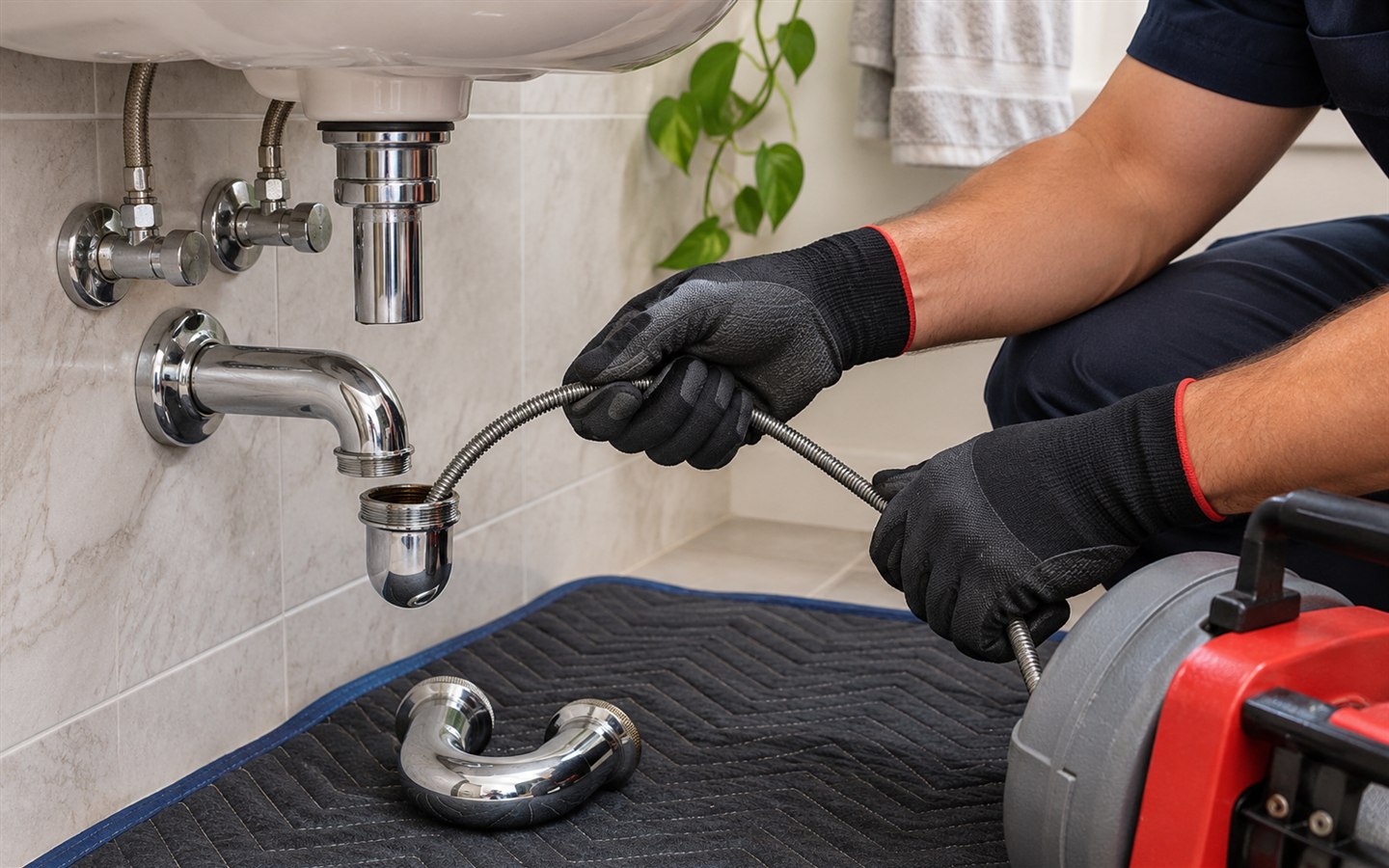
Slow sinks, recurring tub clogs, gurgling and odors. We clear the blockage and look at why it keeps returning, so you are not calling about the same drain every few months.
Unexplained water use, damp drywall, the sound of running water when everything is off, or a warm spot on the floor. We trace the source, then discuss access and repair.
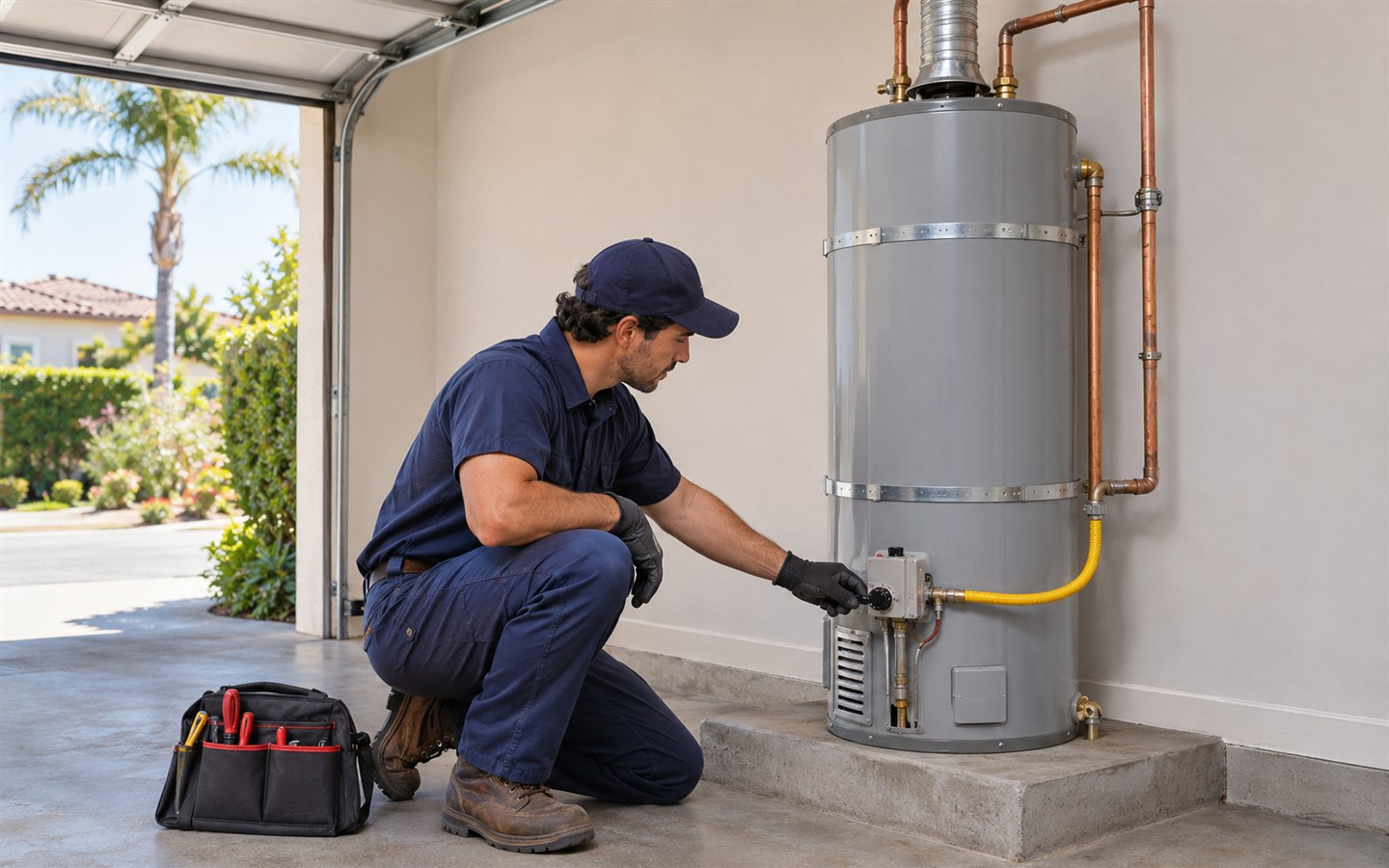
No hot water, inconsistent temperature, rumbling or a leaking tank. We diagnose the unit, explain whether repair makes sense, and help plan a replacement when it does not.
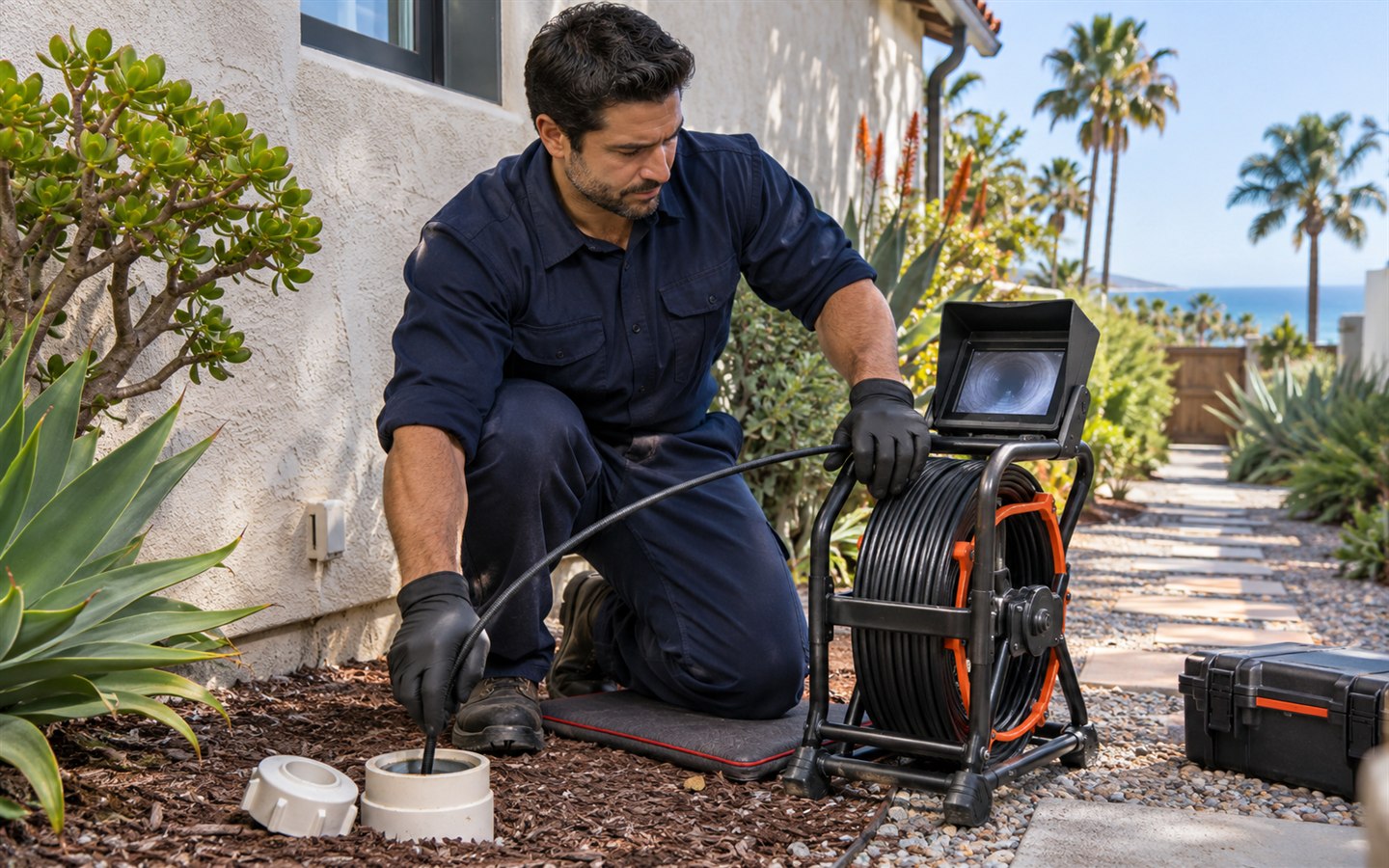
Multiple drains backing up at once, water rising in a tub when the toilet flushes, or repeated main-line clogs. We investigate the lateral and explain what the findings mean.
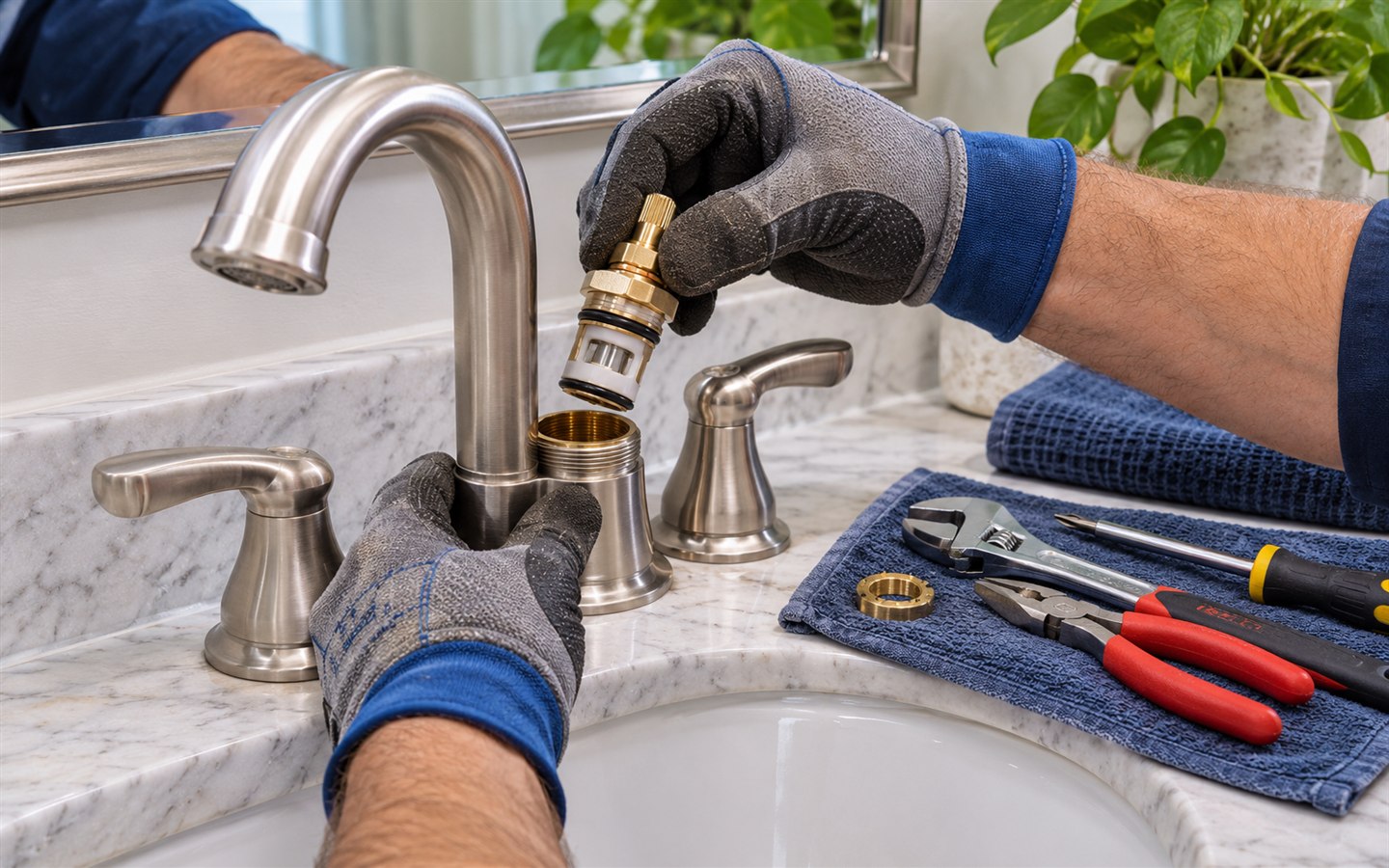
Running toilets, weak flushes, leaks at the toilet base, dripping faucets and under-sink supply issues. We repair worn parts and help you decide when a fixture is worth replacing.
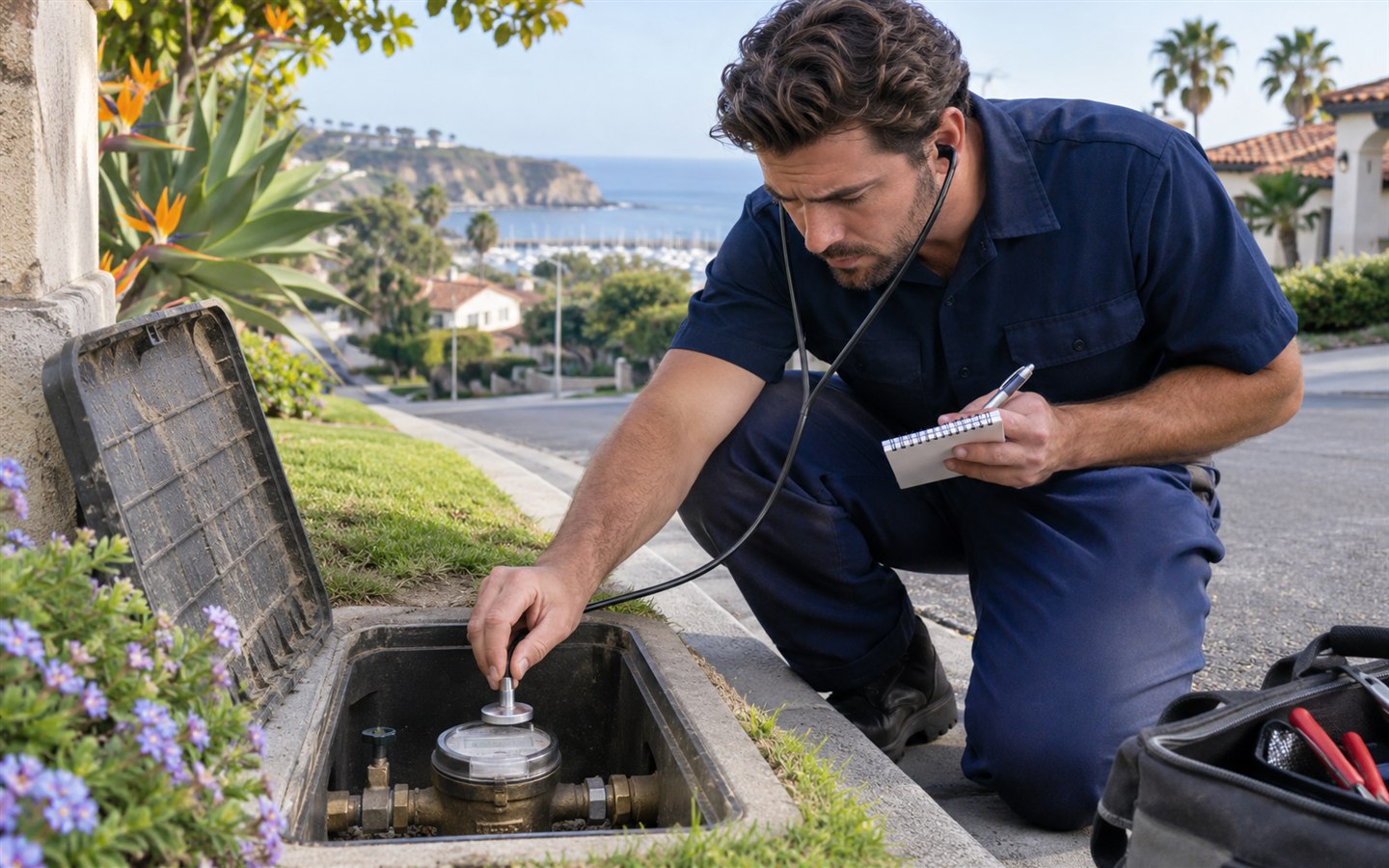
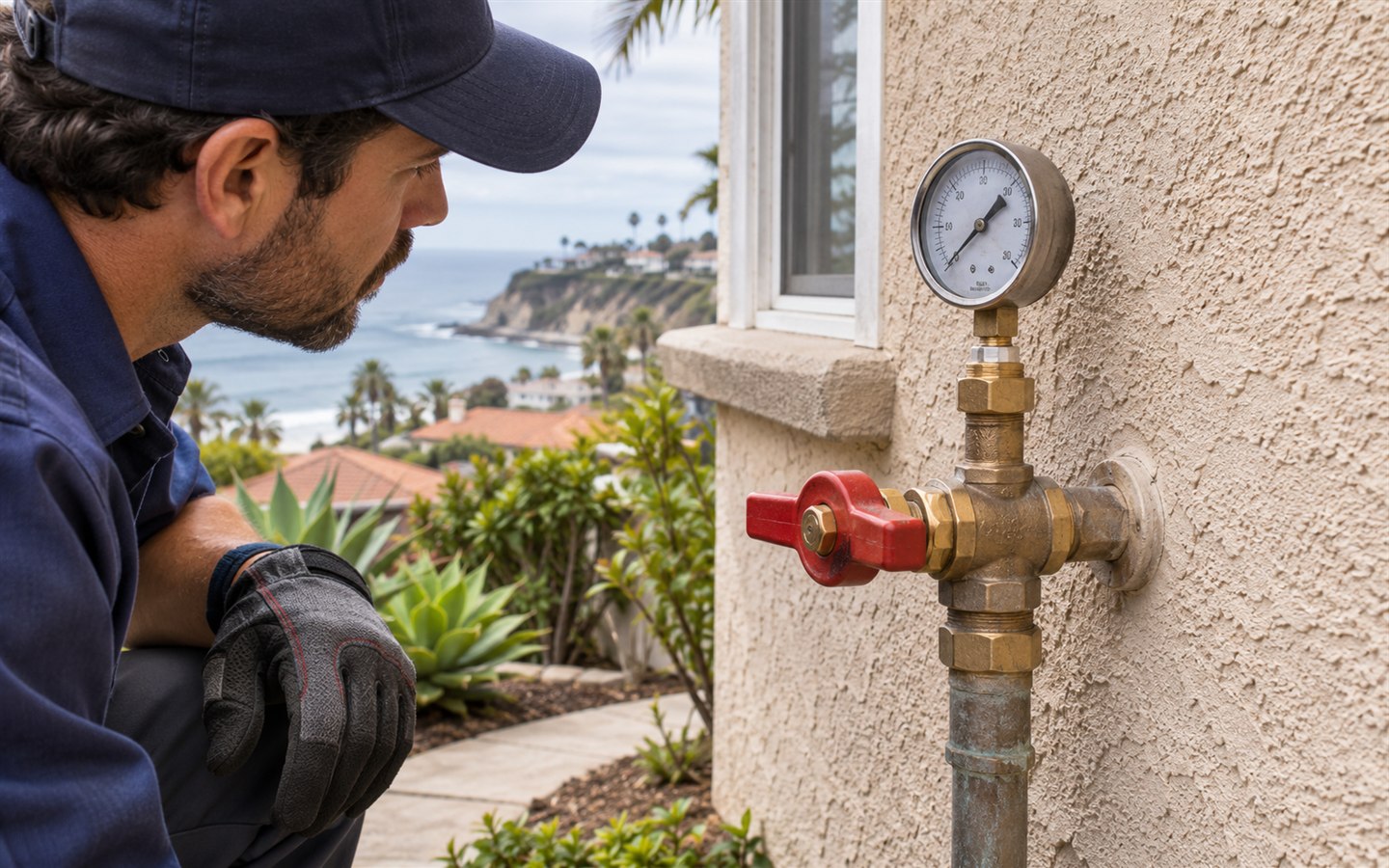
Low pressure throughout the house, meter movement with fixtures off, or persistent wet spots in the yard. We locate the affected supply section and compare repair options.
Explore water line repair
Not sure which service fits? That is normal. Many problems sit between categories: a leak under a sink might be a faucet supply line, a drain connection or a hidden pipe in the wall. Call and describe what you are seeing, and we will point you in the right direction before anyone arrives.
Common symptoms
What Homeowners Usually Notice First
These are the symptoms that most often lead to a call. Each one can have more than one cause, which is why a short conversation and, where needed, an inspection come before any recommendation.
One slow sink or tub
Usually a local clog in the trap or the first few feet of the branch drain. Hair, soap residue and grease are frequent causes.
Several drains backing up
When a shower fills as the toilet flushes, or the lowest drain overflows, the restriction is often in a shared line rather than a single fixture.
Higher water use
A jump in usage with no change in habits can point to a running toilet, a dripping fixture or a leak you cannot see.
Damp walls or floors
Stains, soft drywall, lifting flooring or musty odors near plumbing walls deserve a closer look before the damage spreads.
Hot water that fades fast
Short hot water, fluctuating temperature or popping sounds can involve sediment, a failing component or a unit sized for a smaller household.
A toilet that keeps running
Often a flapper or fill valve that no longer seals. Small to fix, but it can waste a surprising amount of water if left alone.
Low pressure everywhere
If every fixture is weak, the cause is more likely on the main supply side, a valve or a regulator than inside one faucet.
Gurgling or sewer odor
Bubbling drains and sewer smells can indicate venting issues, a dry trap or a developing restriction in the drain system.
Source diagnosis
Why We Diagnose Before We Repair
Plumbing systems are connected. Supply lines carry pressurized water to every fixture; drain lines carry used water away by gravity; vents let air in so drains flow smoothly. A problem in one part can show up somewhere else entirely, and two very different problems can produce the same symptom.
That is why we ask questions before we pick up tools. When did it start? Does it happen with one fixture or several? Does it get worse when the washing machine drains or when someone showers upstairs? The answers narrow the possibilities quickly and help us choose the right inspection for the situation.
Diagnosis is not about running every test available. It is about confirming the cause with enough confidence that the repair addresses it. When the source is clear, we tell you. When more investigation would change the recommendation, we explain why and what it involves before going further.
One fixture, one bathroom, or the whole house? Narrowing the scope tells us whether we are looking at a local issue or a shared line.
2
Separate supply from drain
A pressurized supply leak behaves differently from a drain leak that only appears when water is used. Knowing which one is involved changes everything that follows.
3
Rule out non-plumbing moisture
Condensation, roof or window leaks, and irrigation overspray can all mimic plumbing problems. Ruling them out keeps you from paying for the wrong repair.
4
Confirm, then recommend
Once the source is identified, we explain what we found, what it would take to fix, and any choices you have about how to proceed.
What to expect
From Your First Call to a Tested Repair
Every home is different, but the sequence stays the same so you always know what is happening and what comes next.
1
Initial contact
Call any time. We ask what you are noticing, how long it has been happening and whether water is actively escaping, then check availability.
2
On-site inspection
The technician looks at the affected fixtures and related lines, protecting floors and work areas before starting.
3
Findings & options
You hear what was found, what likely caused it and what the repair involves, including alternatives where they exist.
4
Approved repair
Work begins after you approve the scope. If something unexpected turns up, we pause and talk before changing the plan.
5
Testing & cleanup
We run water, check for leaks and confirm proper drainage or pressure, then clean the work area and review the result with you.
Call right away when…
Water is actively escaping and you cannot stop it at a fixture valve, sewage is backing up into a tub or floor drain, a water heater tank is leaking from the body, or you have no water at all. Close the nearest shutoff you can safely reach, keep people and pets away from wet areas, and call. If you smell gas near a gas water heater, leave the home first and contact the gas utility or 911 from outside.
Plan a visit when…
A drain is slow but still working, a faucet drips, a toilet runs now and then, or your water bill has crept up without an obvious reason. These problems still deserve attention, because small leaks and partial clogs tend to grow, but they usually leave time to pick an appointment that suits your schedule. Either way, calling early gives us a chance to help you understand what you are dealing with.
Making the call
Repair or Replace? The Factors That Actually Matter
There is no single rule that applies to every water heater, fixture or pipe. These are the questions we walk through with you so the decision fits your home and your plans.
Repair often makes sense When
A targeted repair is usually the practical choice when the problem is isolated and the rest of the system is in sound condition.
The failure is a single wear part such as a cartridge, flapper, valve or thermostat
The surrounding pipe, tank or fixture body shows no corrosion or repeated failures
Replacement parts are available and compatible with what you have
The unit or fixture still meets your household's needs
VS
Replacement is worth discussing When
Replacement deserves a conversation when repairs are becoming routine or the underlying material is reaching the end of its useful life.
The same component or section keeps failing despite repairs
A water heater tank itself is leaking, rather than a fitting or valve
Pipe shows widespread corrosion, scaling or brittleness, not just one bad spot
Your household's demand has outgrown the existing unit or fixture
When either path is reasonable, we explain the trade-offs: the expected scope of each option, what each involves for access and disruption, and how each fits with any remodeling or long-term plans you have for the house. The decision is yours.
Understanding your estimate
What Affects the Scope and Estimate of a Plumbing Repair
Plumbing work is priced on what the job actually requires, which is why a reliable estimate depends on knowing the cause. These are the factors that most often shape the scope.
01 · Cause
What is actually wrong
Clearing a trap clog and repairing a damaged drain line are very different jobs, even when the symptom looks the same at the sink.
02 · Access
Where the problem is
A leak under an open sink cabinet is simpler to reach than one inside a finished wall, beneath a slab or under hardscape.
03 · Materials
Existing pipe and fixtures
The type, age and condition of the piping and fittings affect which repair methods and parts are suitable.
04 · Extent
One spot or many
An isolated failure calls for a point repair; signs of widespread wear may make a larger section repair the better value.
05 · Equipment
Units and compatibility
For water heaters and fixtures, the model, fuel type, venting, connections and space available all influence the options.
06 · Requirements
Permits and restoration
Some work may involve permits or inspections depending on the system and jurisdiction, and some access openings require patching afterward.
We explain these factors as they apply to your home and confirm the scope with you before work begins. If conditions change once a wall is opened or a line is inspected, we stop and discuss them with you first.
Serving Dana Point
Plumbing for the Way Dana Point Homes Are Built and Lived In
Dana Point sits on the Orange County coast, between the hills and the harbor, and its housing ranges from older single-family homes to newer townhome communities and condominiums. That variety matters for plumbing. Rather than assume anything about a house, we look at how your particular home is plumbed.
Different ages, different piping
Homes built in different decades can contain different supply and drain materials, and many have been partially updated over the years. Identifying what is actually in your walls helps us choose compatible repairs.
Slab foundations and routed lines
Where plumbing runs beneath a slab, a supply leak may show up as a warm floor area, unexplained water use or damp flooring. We discuss isolation, tracing and access options when a below-slab leak is suspected.
Shared walls and multi-unit buildings
In condos and townhomes, a leak can affect a neighbor or a shared line. Knowing which pipes serve your unit, and which may fall under an association, helps clarify the next step.
Weekend homes and long absences
Homes that sit empty between visits can hide a slow leak or a running toilet for weeks. Knowing where your main shutoff is and checking the meter after time away are simple habits that help.
Whether you live near Dana Point Harbor, up the hillsides, or close to Doheny State Beach, the process is the same: listen, inspect, explain, and repair what is confirmed.
Homeowner FAQs
Questions Dana Point Homeowners Ask Us
Are you really open 24/7?
Yes. Rapid Plumber Dana Point is open 24 hours a day, seven days a week, and you can call at any hour. Technician scheduling depends on the time and current workload, so we will tell you what availability looks like when you call.
What should I do first if water is actively leaking?
If you can do so safely, close the shutoff valve for the affected fixture or the main water shutoff for the house, move valuables away from the water, and avoid using electrical devices near standing water. Then call us and describe what you are seeing.
How do I know whether my problem is a clog or a sewer line issue?
A single slow fixture usually points to a local clog. When several fixtures are affected, especially the lowest drains in the house, or when water comes up in one fixture as another drains, the restriction is more likely in a shared or main line. An inspection confirms which it is.
Can you give me a price over the phone?
We can talk through your symptoms and explain what usually influences the scope, but an accurate estimate depends on confirming the cause and seeing the access involved. We explain the findings and confirm the scope with you before any work begins.
Do you work on condos and townhomes?
We focus on residential plumbing, which includes condos and townhomes. In multi-unit buildings, it helps to know which lines serve your unit and whether your association handles any shared piping, so we can confirm what falls within your responsibility.
Will you have to open my walls or floors to fix a leak?
Not always. We first work to pinpoint the source so that any access opening is as small and well placed as practical. When opening a wall, ceiling or floor is necessary, we explain where and why before cutting.
What information is helpful when I call?
Tell us which fixtures are affected, when the problem started, whether it is constant or only happens with water use, and anything you have already tried. For water heaters, the fuel type and approximate age are useful if you know them.
Have a Plumbing Problem at Home Right Now?
Call Rapid Plumber Dana Point and tell us what you are seeing. We will help you understand the likely next step, check availability, and arrange a visit to find the source and talk through your options.